


Introduction
In Muay Thai,true performance comes from balance — the harmony between strength, speed, and recovery. Fighters who master this balance become powerful, agile, and enduring. Too much focus on one element can disrupt progress; understanding how to combine all three creates a complete, sustainable fighter.
1. Building Functional Strength
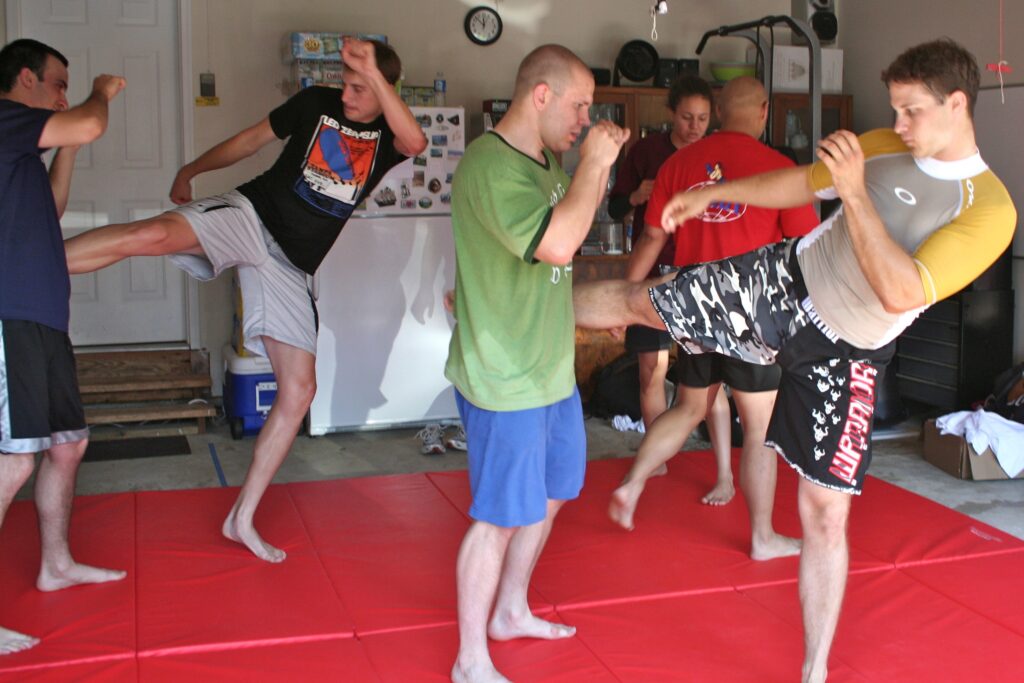
Strength in Muay Thai isn’t just about lifting heavy weights — it’s about developing power that translates into strikes, clinches, and endurance. Functional exercises like bodyweight drills, resistance training, and pad work help fighters build explosive, usable strength.
Key Points:
- Focuses on strength that supports technique and balance.
- Improves punching and kicking power.
- Uses compound movements and resistance training.
- Builds durability for long training sessions.
2. Developing Explosive Speed
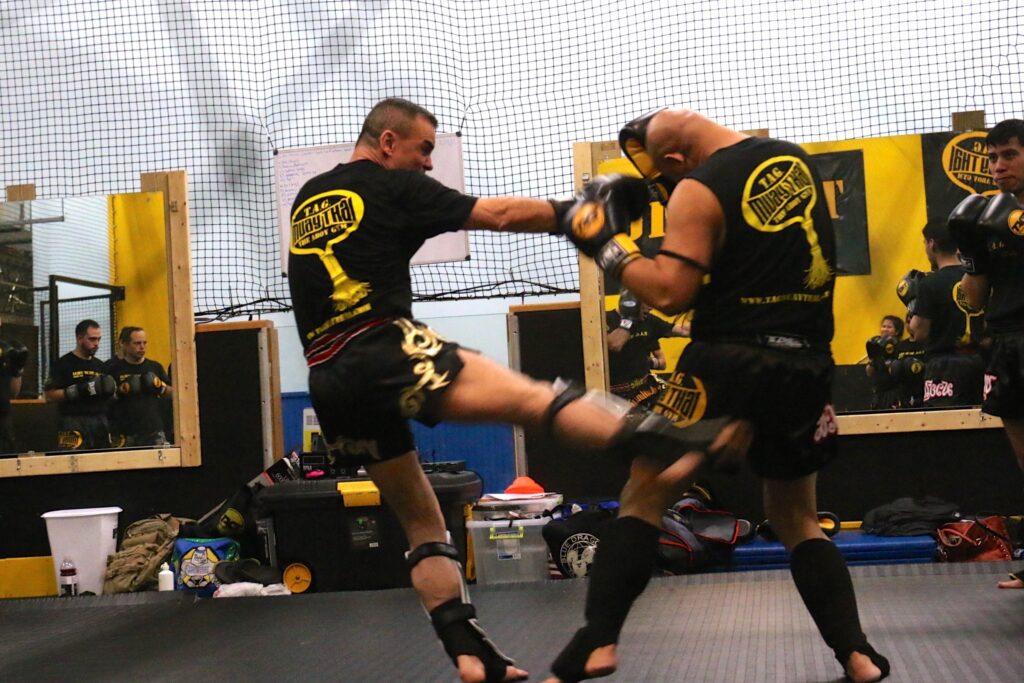
Speed separates good fighters from great ones. Quick strikes and reactions can change the outcome of a fight. Thai training methods — including pad work, shadowboxing, and footwork drills — enhance reflexes and timing, helping fighters stay sharp under pressure.
Key Points:
- Fast strikes improve fight control.
- Sharpens reflexes and reaction time.
- Builds rhythm and timing through repetition.
- Combines speed with accuracy for effective technique.
3. Maintaining Proper Recovery
Recovery is the most overlooked part of training, yet it’s what keeps fighters consistent. Rest, sleep, hydration, and massage are essential for muscle repair and mental focus. Without recovery, fatigue leads to injury and slower progress.
Key Points:
- Rest allows muscles and joints to heal.
- Reduces injury risk from overtraining.
- Improves focus and motivation.
- Keeps long-term performance sustainable.

4. Creating a Balanced Training Schedule
Thai fighters train hard, but they also train smart. A balanced schedule includes technical drills, strength sessions, conditioning, and rest days. Overloading any single area can lead to burnout — balance ensures steady, healthy improvement.
Key Points:
- Combines physical, technical, and mental work.
- Prevents overtraining and fatigue.
- Encourages steady, long-term progress.
- Maintains enthusiasm and consistency.
5. Listening to the Body
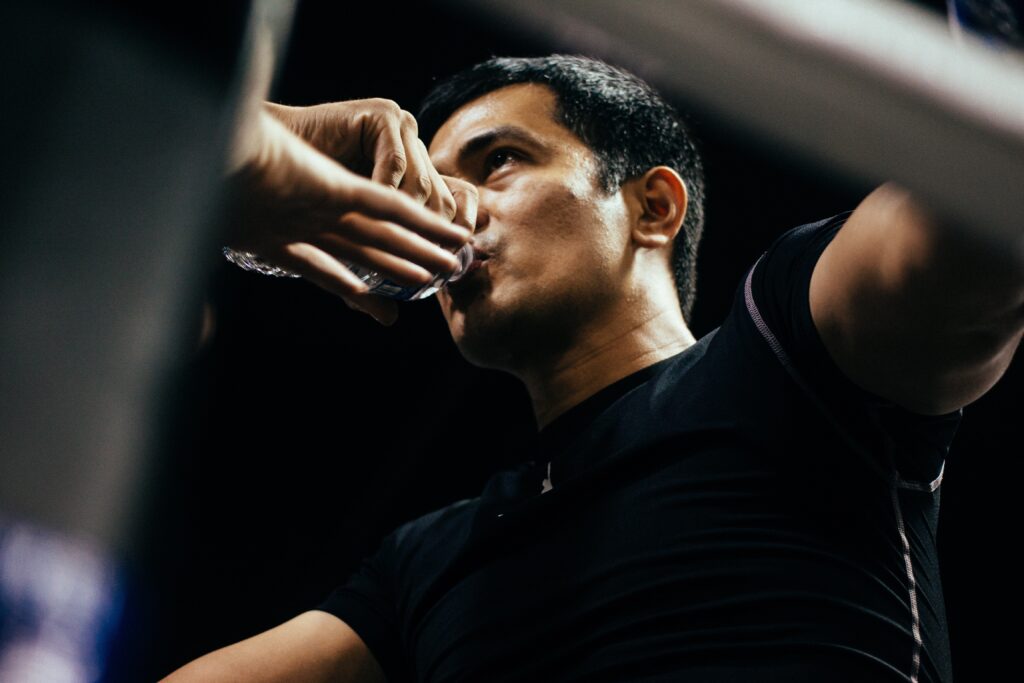
Awareness is key to maintaining balance. Skilled fighters know when to push harder and when to rest. Understanding the body’s signals — fatigue, soreness, or tension — helps prevent setbacks and promotes sustainable growth.
Key Points:
- Teaches awareness and self-control.
- Prevents long-term injury through smart adjustments.
- Encourages consistency without burnout.
- Builds a stronger connection between body and mind.

Conclusion
Muay Thai mastery isn’t just about power or speed — it’s about balance. Strength gives you force, speed gives you precision, and recovery keeps you going. When these three elements work together, you not only fight better but live stronger, healthier, and more focused — the true essence of Muay Thai discipline.