


INTRODUCTION
The clinch is one of the most powerful — yet most underestimated — areas of Muay Thai for men. While many fighters focus on punches and kicks, close-range control often decides who dominates the fight. Clinch skills require strength, technique, balance, and patience, making it a true test of a fighter’s intelligence. This guide breaks down essential clinch techniques every man must master to gain control and confidence in close-range combat.
1. Establishing a Strong, Balanced Stance
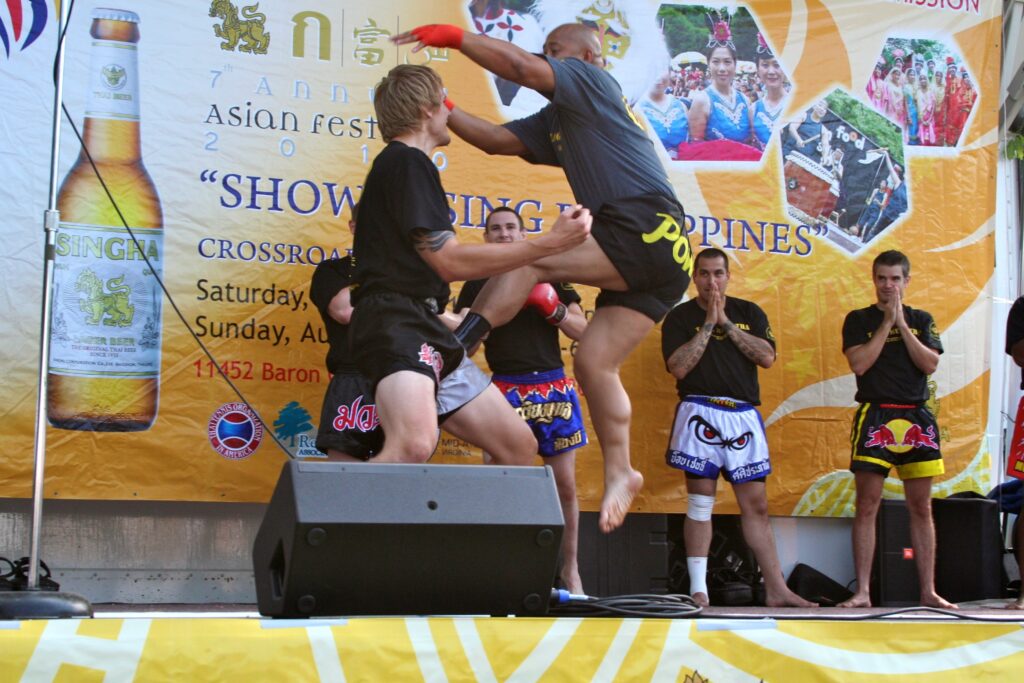
Clinch dominance begins with stability. Without balance, even strong fighters get thrown or lose control quickly. Men often rely too much on upper-body strength and forget that clinching starts from the legs and hips.A good stance allows you to resist pulls, break grips, and control the direction of movement.By maintaining a stable base, you become far harder to manipulate or counter.
Key Points:
- Strong legs create a powerful clinch foundation
- Balance prevents unnecessary sweeps
- A wide stance increases stability
- Proper foot placement boosts control
- Balance supports both offense and defense
2. Mastering Inside Position and Hand Control
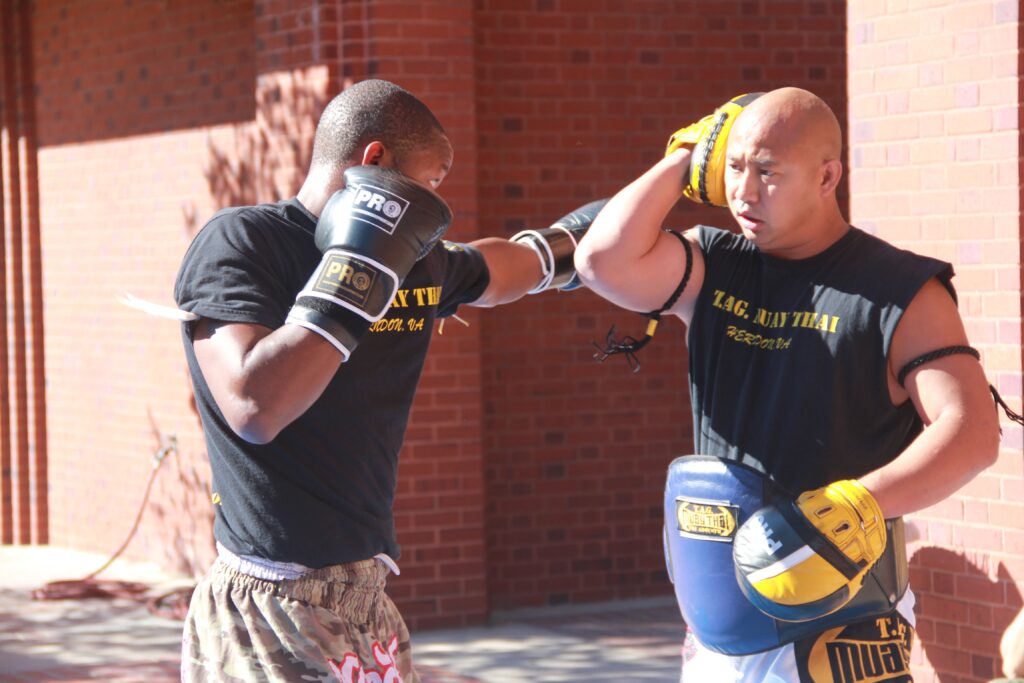
The fighter with inside control almost always has the advantage in the clinch. Men often make the mistake of grabbing over the opponent’s arms, giving up leverage. Good clinch fighters constantly fight for inside position, controlling the head, neck, and arms effectively. Hand control helps you wear down your opponent and set up attacks with confidence.
Key Points:
- Inside control strengthens your leverage
- Hand fighting disrupts opponent movement
- Controlling the head weakens their posture
- Better grips create easier openings for offense
- Inside position reduces opponent strike power
3. Using Knees with Timing and Precision
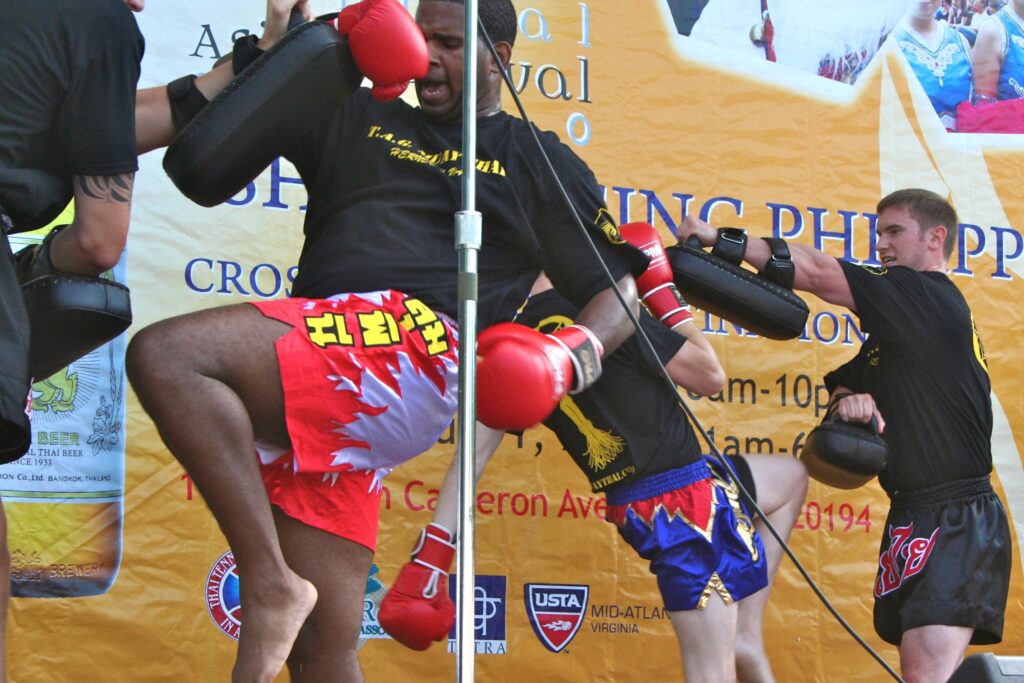
Knees are the most dangerous weapon in the clinch, but they must be delivered with timing, not just force. Many men throw rushed knees that lack accuracy and leave openings for counters.Effective knee strikes require proper hip rotation, rhythm, and awareness of your opponent’s posture. When placed strategically, knees drain your opponent’s stamina and shift the fight in your favor.
Key Points:
- Knees punish weak posture immediately
- Timing beats brute strength
- Hip rotation increases impact
- Precision helps avoid counters
- Strategic knees control the round’s momentum
4. Controlling the Head and Breaking Posture
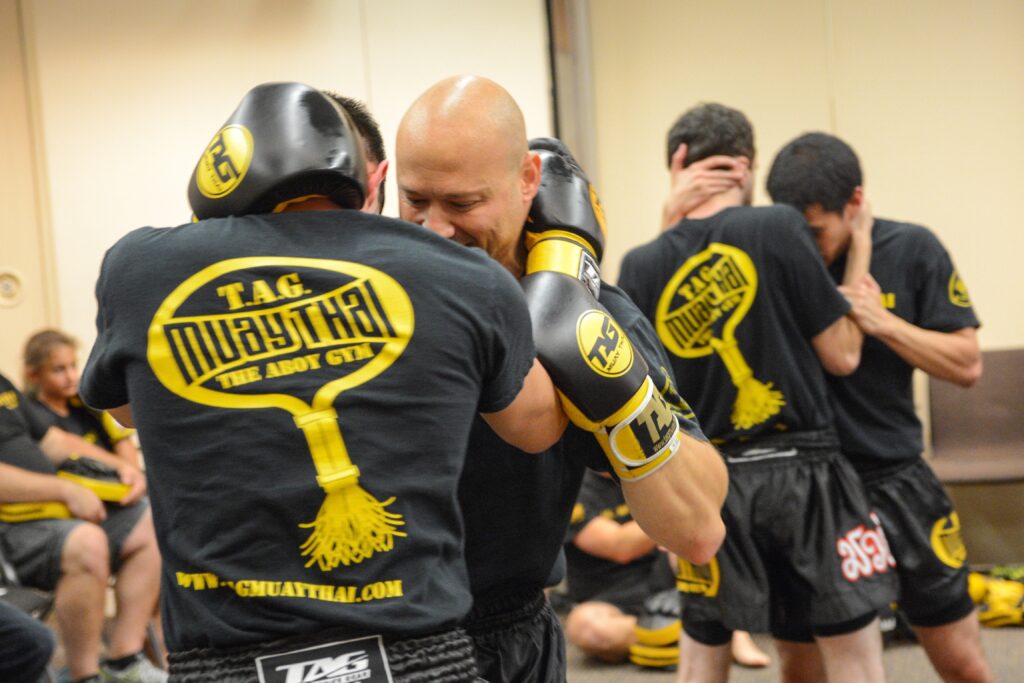
Whoever controls the head controls the entire body in the clinch.Breaking your opponent’s posture limits their breathing, weakens their offense, and opens opportunities for strikes.
Men often grab the head without applying real downward pressure, making it ineffective.
A strong neck tie or double collar tie can completely shut down an opponent’s attack.
Key Points:
- Posture control weakens opponent power
- Strong grips create dominant position
- Head control increases knee strike accuracy
- Breaking posture exhausts the opponent
- Good control prevents their escape or counters
5. Executing Safe and Effective Sweeps
Sweeps are a powerful clinch tool that win points and break an opponent’s confidence. Men sometimes rely on strength instead of timing, which makes sweeps predictable and risky. Proper sweeps use angles, foot traps, and weight shifts to bring your opponent down effortlessly. When done correctly, sweeps create openings for control and shift the fight’s momentum instantly.
Key Points:
- Sweeps score highly in Muay Thai
- Timing creates cleaner takedowns
- Weight shifting breaks opponent balance
- Angled sweeps reduce resistance
- Effective sweeps build psychological advantage
CONCLUSION
Clinch control is not just about strength — it’s about strategy, balance, and technique. When men learn to master inside position, head control, sweeps, and knee timing, they start to dominate close-range fighting. With patience and consistent practice, the clinch becomes a weapon that can change the outcome of any match. Master these techniques, and you’ll step into the ring with confidence in one of Muay Thai’s most powerful skill sets.