


Introduction
During fight camp, athletes often push their limits to peak performance but training too hard without proper recovery can backfire. Balancing rest and recovery is essential for improving strength, speed, and focus while preventing burnout or injury. Smart recovery ensures you show up every day stronger, sharper, and ready to perform.
1. Understanding the Importance of Recovery
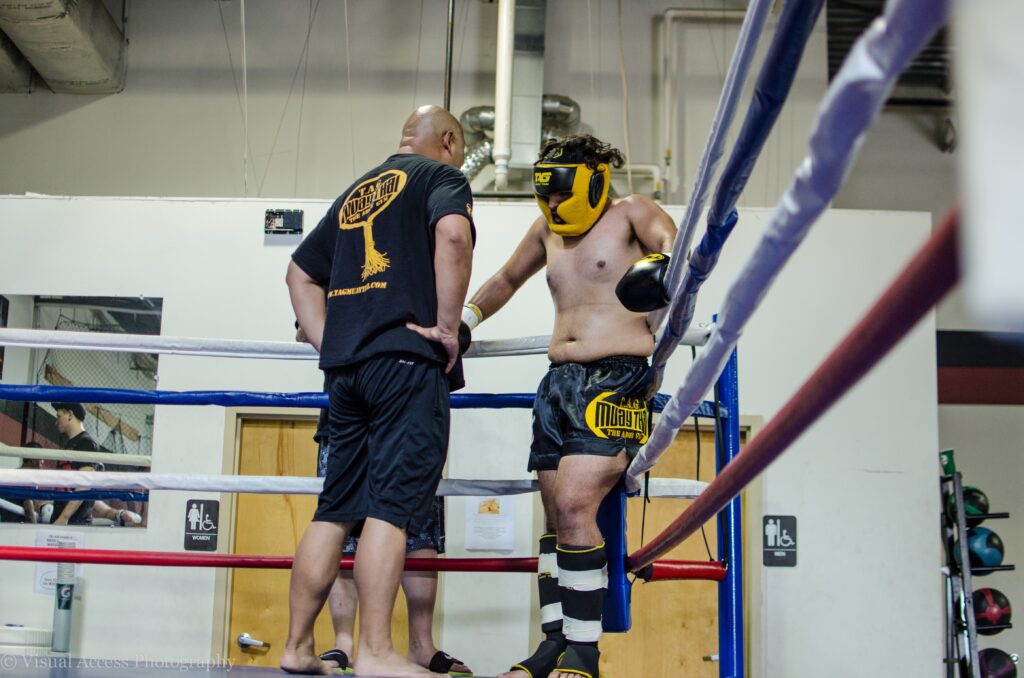
Rest and recovery are when your body repairs and grows stronger. Skipping this crucial phase leads to fatigue and reduced performance. Recovery isn’t a sign of weakness it’s part of intelligent training that ensures long-term progress.
Key Points:
- Muscles rebuild and grow during rest, not training.
- Recovery prevents injuries and overtraining.
- It helps maintain mental clarity and motivation.
- Balancing hard work with rest boosts overall performance.
2. Listening to Your Body
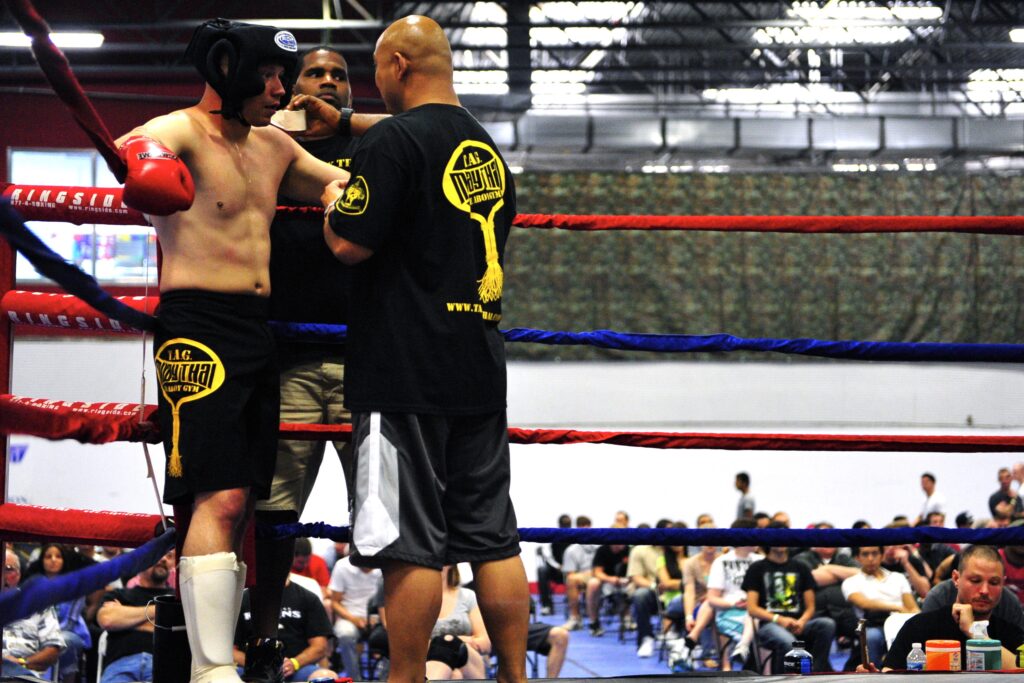
Your body gives signals when it’s under stress — ignoring them can lead to setbacks. Learning to recognize when to push and when to pause is a key skill for every fighter.
Key Points:
- Notice signs of fatigue, soreness, or irritability.
- Adjust training intensity when your energy drops.
- Keep a training journal to track rest needs.
- Remember, recovery needs vary for each athlete.
3. Active Recovery & Light Training Days
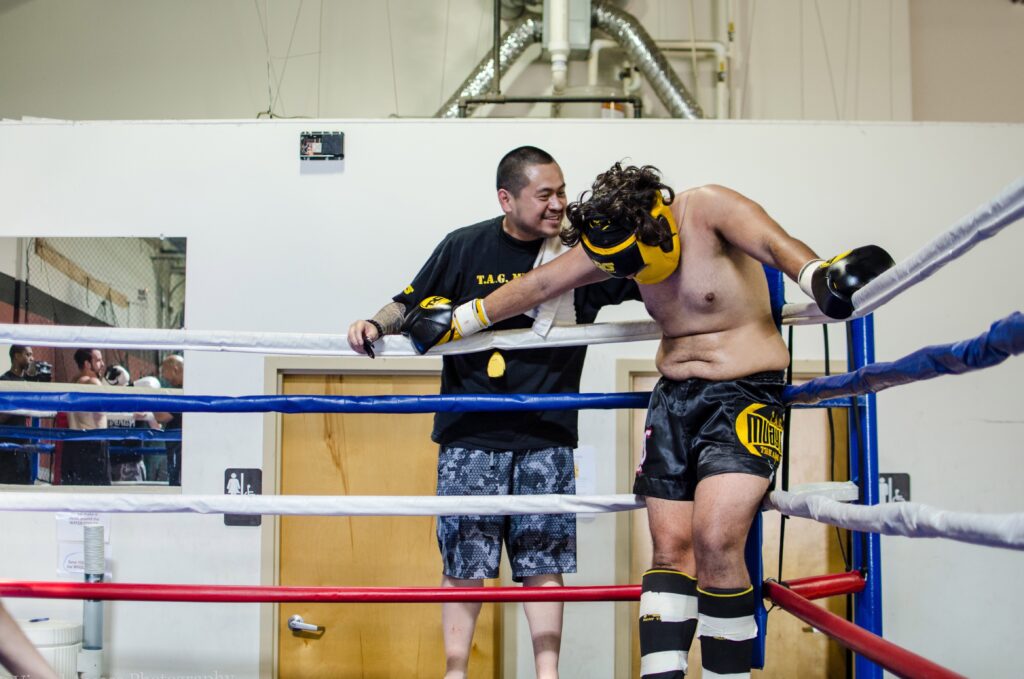
Rest doesn’t always mean complete inactivity. Active recovery days involve light movement to keep your body loose while allowing muscles to heal. It’s about staying mobile without pushing too hard.
Key Points:
- Include light jogging, yoga, or stretching on recovery days.
- Shadowboxing or technique drills help maintain rhythm.
- Active recovery enhances circulation and mobility.
- Keeps your body primed while avoiding burnout.
4. Nutrition, Hydration & Sleep
Recovery isn’t just about downtime it’s about how you fuel and rest your body. Proper nutrition and quality sleep accelerate healing and energy restoration.
Key Points:
- Eat balanced meals rich in protein, carbs, and healthy fats.
- Stay hydrated to support muscle recovery and focus.
- Aim for 7–9 hours of sleep for optimal performance.
- Avoid junk food and late-night screen time during fight camp.
5. Mental Rest & Stress Management
Fight camps can be mentally draining. Taking time for mental recovery is just as important as physical rest. Mental calmness sharpens focus and keeps you emotionally balanced during preparation.
Key Points:
- Practice meditation or breathing exercises to relax.
- Spend time away from the gym to recharge mentally.
- Maintain positive routines to reduce stress.
- A clear mind enhances reaction time and decision-making in fights.
Conclusion
Balancing rest and recovery in fight camp is what separates good fighters from great ones. Training hard is vital, but knowing when to rest is equally powerful. When your body and mind are in sync, you perform at your peak sharper, faster, and stronger on fight night. Recovery isn’t a break from progress it’s part of it.