


Introduction
Stepping into the ring for your first Muay Thai fight is both exciting and nerve-wracking. It’s a big challenge, but with the right training and mindset, you’ll be prepared to give your best performance. In this blog, we’ll walk you through what to expect during your training and how to prepare mentally and physically for your first fight.
https://youtu.be/dgaJRe43lYIhttps://youtu.be/dgaJRe43lYI
1. Intense Conditioning and Physical Preparation
The physical aspect of Muay Thai training is demanding, and it’s crucial to build stamina, strength, and endurance for your fight.
Key Points:
- Cardio Training: Expect intense cardiovascular workouts like running, skipping rope, and high-intensity drills to build stamina.
- Strength and Conditioning: You’ll be focusing on leg strength, core stability, and explosive power to enhance your kicking and striking ability.
- Endurance Drills: Expect to push your body with sparring, pad work, and bag drills to increase your fight endurance.
- Recovery: Proper rest, stretching, and recovery techniques will be crucial to avoid overtraining and injuries.
2. Mastering Technique and Combinations
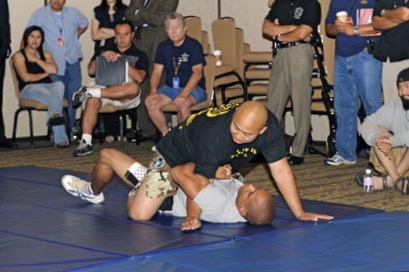
To succeed in a fight, mastering Muay Thai techniques is essential. Your coach will help you refine your striking skills and build effective combinations.
Key Points:
- Pad Work: A key component of training, where you’ll practice combinations with a trainer holding pads, focusing on speed, accuracy, and power.
- Footwork: You’ll practice moving in and out of range, maintaining balance, and positioning yourself for both offense and defense.
- Clinching: As Muay Thai emphasizes close-range combat, you’ll work on clinch techniques, where you’ll control your opponent with knees and short strikes.
- Defensive Techniques: Learning how to block, parry, and avoid strikes will be critical in avoiding damage during the fight
3. Mental Preparation and Focus
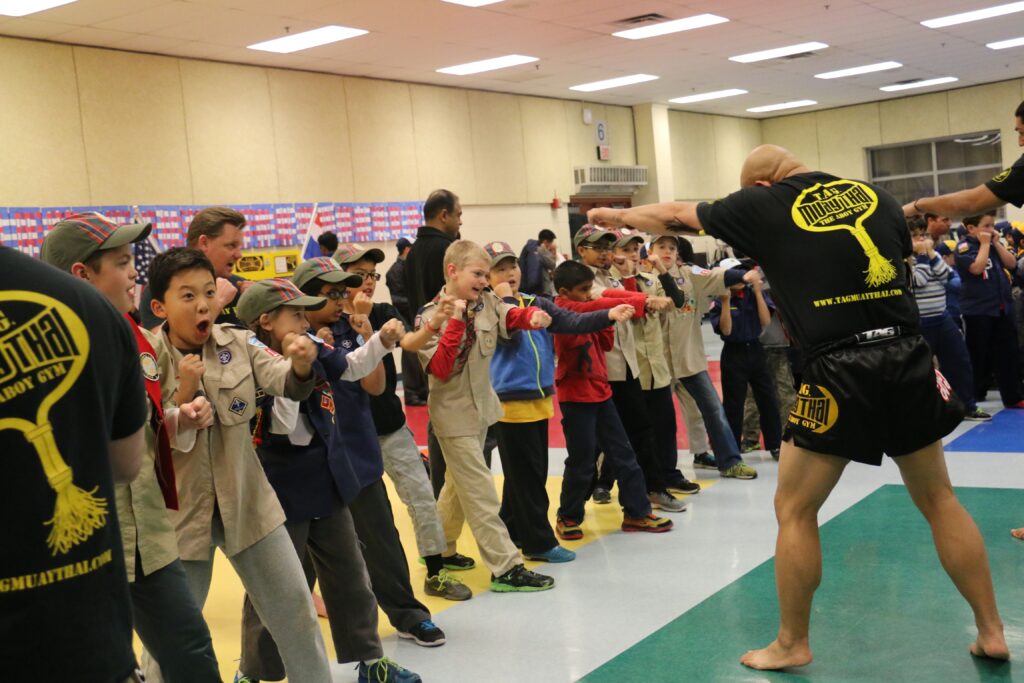
Muay Thai is as much a mental challenge as it is a physical one. Preparing your mind for the fight is just as important as physical training.
Key Points:
- Building Confidence: Through consistent training, sparring, and technique repetition, you’ll build confidence in your abilities.
- Visualization: Many fighters use mental imagery, visualizing their performance in the ring to reduce nerves and increase focus.
- Fight Strategy: You’ll work with your coach to develop a fight strategy, including how to approach your opponent and adapt during the fight.
- Handling Pressure: Training helps you stay calm and focused under the pressure of competition, so you can perform your best when it counts.
4. Sparring and Fight Simulation
Sparring will be an important part of your preparation, allowing you to practice your skills in a live, dynamic environment.
Key Points:
- Controlled Sparring: You’ll spar with teammates in a controlled setting, gradually increasing the intensity as you build confidence.
- Reaction Time: Sparring helps improve your reaction time and decision-making, allowing you to learn how to handle live attacks.
- Building Fight IQ: Sparring helps you improve your fight IQ, teaching you how to read your opponent and adjust your tactics mid-fight.
- Simulated Fight Conditions: Near the end of your training, you’ll simulate real fight conditions with full gear and more intensity to prepare for the real thing.
5. Preparing for Fight Week
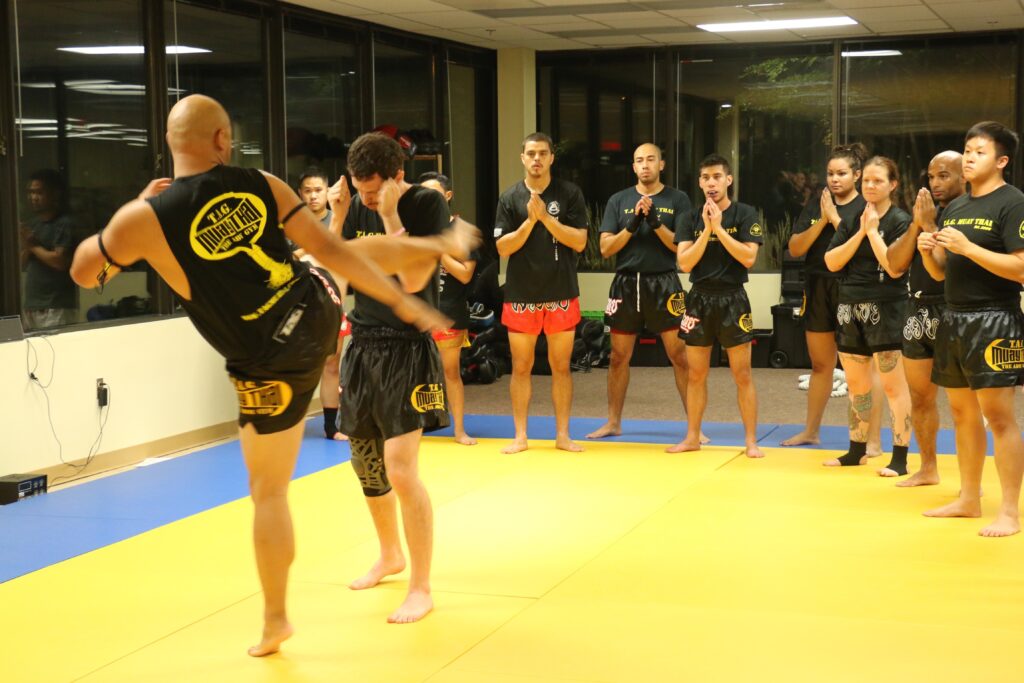
As fight day approaches, the final week of training is crucial for recovery and mental focus. You’ll dial back your training intensity to ensure you’re in peak condition for the fight.
Key Points:
- Tapering: You’ll reduce the intensity of training to avoid fatigue and injuries while keeping your skills sharp.
- Weight Management: If needed, you’ll focus on weight cutting in a safe and gradual manner to make the weight class.
- Rest and Recovery: Getting proper sleep and taking care of your body through stretching, hydration, and nutrition will be key during this week.
- Mental Focus: The final days are about focusing on your fight strategy, reducing stress, and visualizing success in the ring.
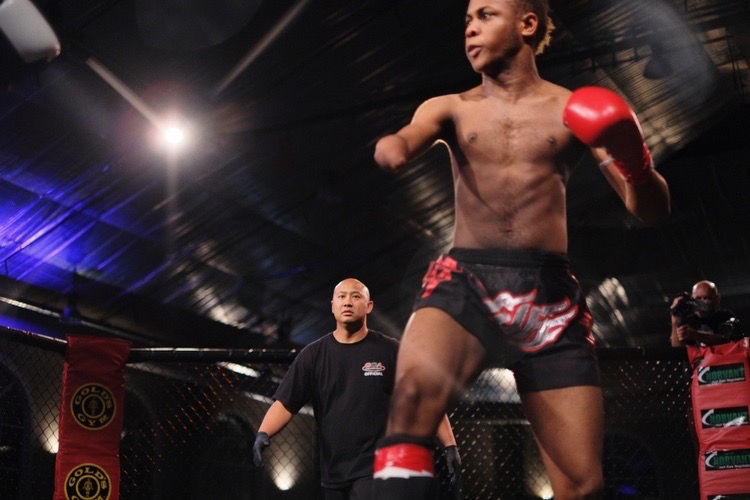
Conclusion
Training for your first Muay Thai fight requires dedication, hard work, and mental strength. By focusing on conditioning, technique, sparring, and mental preparation, you’ll be ready to face the challenges of the ring with confidence. Remember, the journey is just as important as the fight itself, and with the right mindset and preparation, you’ll come out of your first fight stronger—regardless of the outcome.